

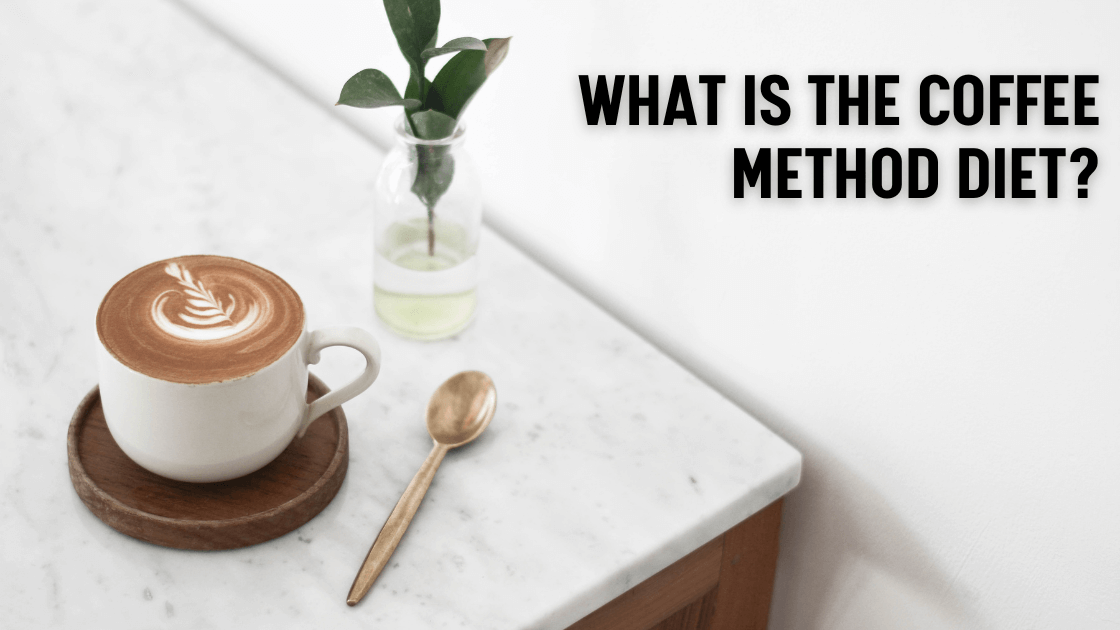
In the ever-evolving world of nutrition and weight loss, the Coffee Method Diet has emerged as a popular trend. But what exactly is this diet, and does it live up to the hype?
This comprehensive guide breaks down the Coffee Method Diet, explaining its principles, how to follow it, and what science says about its effectiveness.
What is the Coffee Method Diet?
The Coffee Method Diet is a structured eating plan that centers around the strategic consumption of coffee, typically black coffee, to suppress appetite, boost metabolism, and promote fat burning.
It’s not about drinking unlimited coffee but combining specific coffee intake with a controlled, often low-carbohydrate or calorie-restricted, diet window.
While variations exist, the core idea is similar to intermittent fasting protocols, where coffee is used as a tool to extend fasting periods comfortably.
It gained traction through social media and wellness communities, often linked to the “Sirtfood Diet” or “bulletproof coffee” trends, but it stands as its own method.
How Does the Coffee Method Diet Work?
The diet operates on a few key physiological principles:
Appetite Suppression
Caffeine is a known appetite suppressant. Drinking black coffee can help reduce feelings of hunger, making it easier to consume fewer calories.
Metabolic Boost
Caffeine can temporarily increase metabolic rate, causing your body to burn more calories at rest.
Enhanced Fat Oxidation
Studies suggest caffeine can enhance the body’s ability to break down fat for energy, a process called lipolysis.
Synergy with Fasting
When consumed during a fasting window (like in the morning), black coffee (with no calories) helps maintain the fasted state, potentially deepening ketosis and autophagy, the body’s process of cleaning out damaged cells.
How to Follow the Coffee Method Diet: A Typical Protocol
While there’s no single official rulebook, a common Coffee Method Diet structure looks like this:
Morning
Start your day with 1-2 cups of black coffee (no sugar, milk, or cream). This is consumed during a fasting period, which typically lasts until midday.
Eating Window
Your first meal is consumed after a fast of 12-16 hours (e.g., if you finish dinner at 8 PM, you eat lunch at 12-4 PM). Meals are generally focused on whole foods: lean proteins, healthy fats, vegetables, and some complex carbs.
Afternoon Coffee
Another cup of black coffee may be consumed in the early afternoon to ward off energy slumps and further curb appetite.
Hydration
Plenty of water is essential to counteract caffeine’s diuretic effect.
Avoid Late Caffeine
Avoid drinking coffee after mid-afternoon to preserve the quality of your sleep.
Key Rule: The coffee must be black. Adding sugar, milk, or high-calorie creamers breaks the fast and adds significant calories, undermining the core mechanism.

Potential Benefits of the Coffee Method Diet
Proponents of the diet report several benefits:
Weight Loss
By reducing overall calorie intake and potentially boosting metabolism, it can create a calorie deficit.
Simplicity
It offers a simple rule structure that can be straightforward to follow.
Mental Clarity
Many users report increased focus and energy from the combined effects of caffeine and fasting.
Reduced Snacking
The appetite-suppressing effect can help eliminate mindless snacking.
Important Risks and Considerations
The Coffee Method Diet isn’t for everyone and carries potential downsides:
Caffeine Sensitivity
Caffeine sensitivity can lead to symptoms such as jitters, anxiety, insomnia, digestive issues, or heart palpitations.
Nutrient Deficiency:
If not careful, the restrictive eating window could lead to insufficient intake of essential nutrients.
Unsustainability
For many, such a restrictive pattern is difficult to maintain long-term.
Sleep Disruption
Caffeine, especially if consumed too late, severely impacts sleep, which is crucial for weight management and health.
Not a Magic Bullet
It does not replace the need for a balanced, nutrient-dense diet. Weight loss ultimately depends on a sustained calorie deficit.
The Verdict: Is the Coffee Method Diet Healthy?
The Coffee Method Diet can be an effective short-term strategy for some individuals to kickstart weight loss or practice intermittent fasting. The benefits largely stem from calorie restriction and fasting, with coffee acting as a helpful tool.
However, it is not a balanced, long-term nutritional plan. Health experts emphasize that sustainable weight management comes from lifelong habits: a balanced diet rich in whole foods, regular physical activity, adequate sleep, and stress management.
Who should avoid it?
Those who are pregnant or breastfeeding, as well as those with anxiety disorders, heart conditions, high blood pressure, acid reflux, or caffeine sensitivity, should avoid it.
Conclusion: What is the Coffee Method Diet’s Bottom Line?
So, what is the Coffee Method Diet? It’s a structured approach that uses black coffee as an adjunct to intermittent fasting for weight loss.
While it may offer a jumpstart for some, it’s crucial to approach it with caution. Consider your personal health, listen to your body, and prioritize nutritional quality within your eating window.
For a safe and effective journey, consult a healthcare provider or registered dietitian before starting any new diet, especially one that involves significant caffeine and fasting. Sustainable health is a marathon, not a sprint fueled solely by caffeine.